A live broadcast erupted into chaos when a heated exchange between Bubba Wallace and Danica Patrick unfolded in front of millions, sparking a storm of reactions across the racing world.
What began as a routine discussion quickly escalated into an intense confrontation that left viewers stunned and producers scrambling behind the scenes.
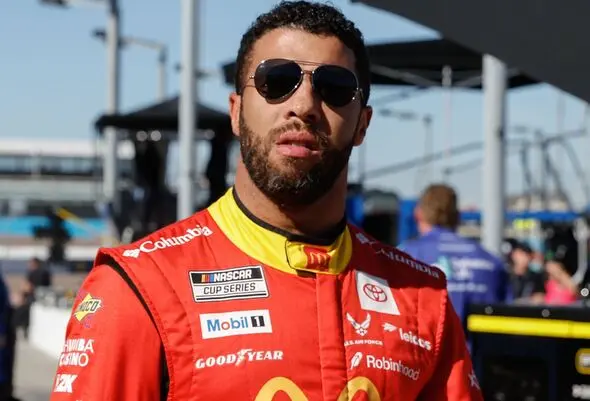
Witnesses described the moment as unexpectedly explosive, noting that the tension between the two personalities had been simmering for some time. As the discussion shifted toward competitive pressure and public scrutiny, emotions rose sharply, setting the stage for a clash neither side seemed willing to step back from.
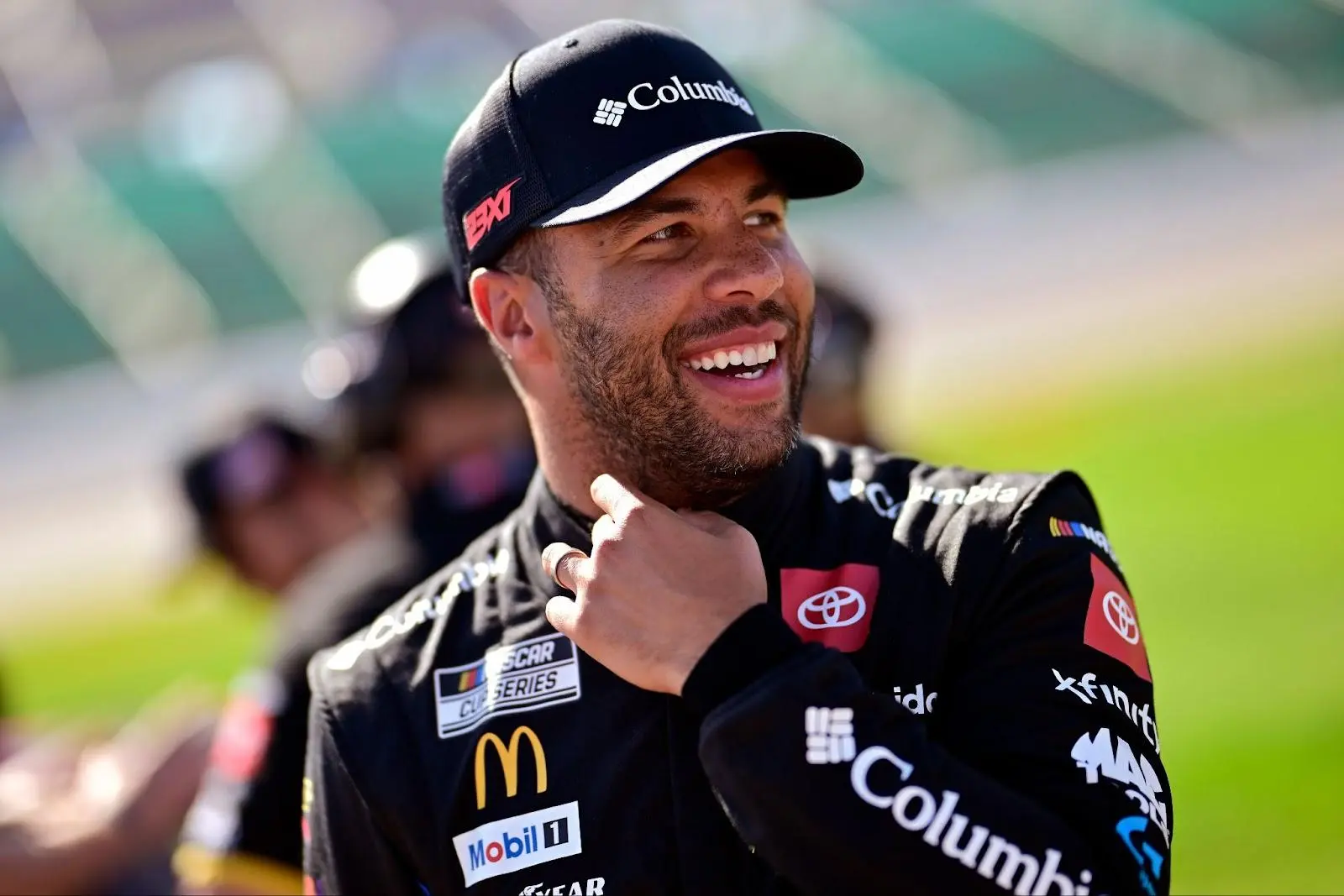
The exchange became the focal point of the entire segment when Wallace, visibly frustrated, delivered a powerful response that silenced the room instantly. His tone carried a raw intensity that contrasted sharply with the controlled atmosphere the studio usually maintained, catching even seasoned crew members off guard.
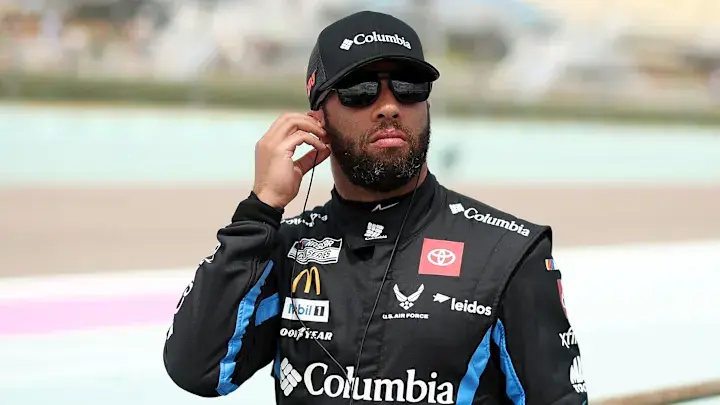
Patrick, known for her sharp commentary and outspoken nature, appeared momentarily unsettled by the sudden shift. The cameras captured a split second of visible shock before she attempted to regain composure, though the momentum of the moment had clearly slipped beyond her control.
Producers moved swiftly as the situation intensified, cutting the broadcast earlier than scheduled. The decision drew immediate attention online, with viewers expressing confusion and curiosity about what had been said off-air. Rumors spread rapidly, fueled by fragments shared on social media.
In the hours that followed, speculation dominated the digital space. Clips, transcripts, and secondhand accounts circulated widely, each adding new layers to the unfolding narrative. Journalists and fans scrambled to determine what truly triggered the outburst and why the network reacted so abruptly.
Reports suggested that backstage disagreements may have contributed to the growing tension. While neither party offered a detailed explanation, insiders hinted at creative differences and unresolved friction that occasionally surfaced during previous collaborations.
Observers noted that Wallace, often recognized for his resilience and outspoken advocacy within motorsports, seemed pushed past a personal threshold. The intensity of his response reflected deeper frustrations rarely aired so publicly, adding complexity to the moment.
Patrick’s reaction became an equal point of discussion, with analysts debating whether her commentary had unintentionally crossed a line. The dynamic between the two, shaped by contrasting personalities and experiences, created fertile ground for misinterpretation and conflict.
Online communities took sides almost immediately, with some supporting Wallace’s emotional honesty while others defended Patrick’s assertiveness. The polarized reactions highlighted broader conversations about communication, criticism, and pressure within competitive sports media.
Network representatives released a brief statement acknowledging the abrupt end to the broadcast but offered limited details. The invitation for both individuals to speak independently fueled anticipation for further clarification or reconciliation in the days ahead.
As discussions spread, commentators emphasized the human element behind the spectacle. Both Wallace and Patrick have faced immense scrutiny throughout their careers, and the confrontation underscored the emotional weight carried by public figures in high-pressure environments.
Industry experts pointed out that moments like these often reveal unresolved tensions within the sports ecosystem. Competing expectations, demanding schedules, and constant visibility contribute to a volatile atmosphere where conflicts can easily erupt.
Despite the dramatic exchange, many argued that transparency and candid dialogue could ultimately lead to healthier discussions within the motorsports community. Honest disagreements, though uncomfortable, sometimes pave the way for deeper understanding and change.
Meanwhile, social media continued to pulse with reaction threads, fan theories, and opinion polls. The viral nature of the incident transformed it into a cultural talking point far beyond the racing sphere, attracting attention from mainstream commentators.
Wallace maintained a cautious silence after the broadcast, choosing to step away from immediate interviews. His decision sparked further interest as fans interpreted it either as restraint or as preparation for a more thoughtful statement later on.
Patrick addressed the situation briefly, acknowledging the heightened emotions while refraining from assigning blame. Her measured response suggested an awareness of the incident’s public impact and a desire to de-escalate the growing media frenzy.
Commentators speculated that future collaborations between the two might require careful moderation. Regardless of differing viewpoints, their on-air chemistry now carried a new level of unpredictability that audiences would undoubtedly watch closely.
The network faced increasing pressure to address how it would handle similar situations moving forward. Conversations about broadcast boundaries, host dynamics, and real-time decision-making gained renewed relevance in internal discussions.
As the dust slowly settled, one thing became clear: the confrontation had become a defining media moment, sparking widespread introspection about communication under pressure. Though the details remained partly obscured, the emotional impact reverberated widely.
The incident continued to fuel debate, but many hoped it might open the door for more authentic conversations within sports media. In an industry built on intensity, passion, and competition, moments of conflict often reveal the most about the people at its center.