The world of professional racing erupted yesterday after a series of leaked messages from NASCAR executives revealed unprecedented tensions between the organization and one of its most prominent team owners, Richard Childress.
Fans and analysts alike were left stunned, as private texts exposed a level of internal conflict previously hidden from public view.

According to sources, Childress had long suspected that NASCAR had worked against his team, RCR, over many years. The leaked messages appear to confirm his suspicions.
In several texts, NASCAR President Steve Phelps referred to Childress in highly derogatory terms, sparking outrage among both drivers and fans who had admired Childress’s decades-long contributions to the sport.
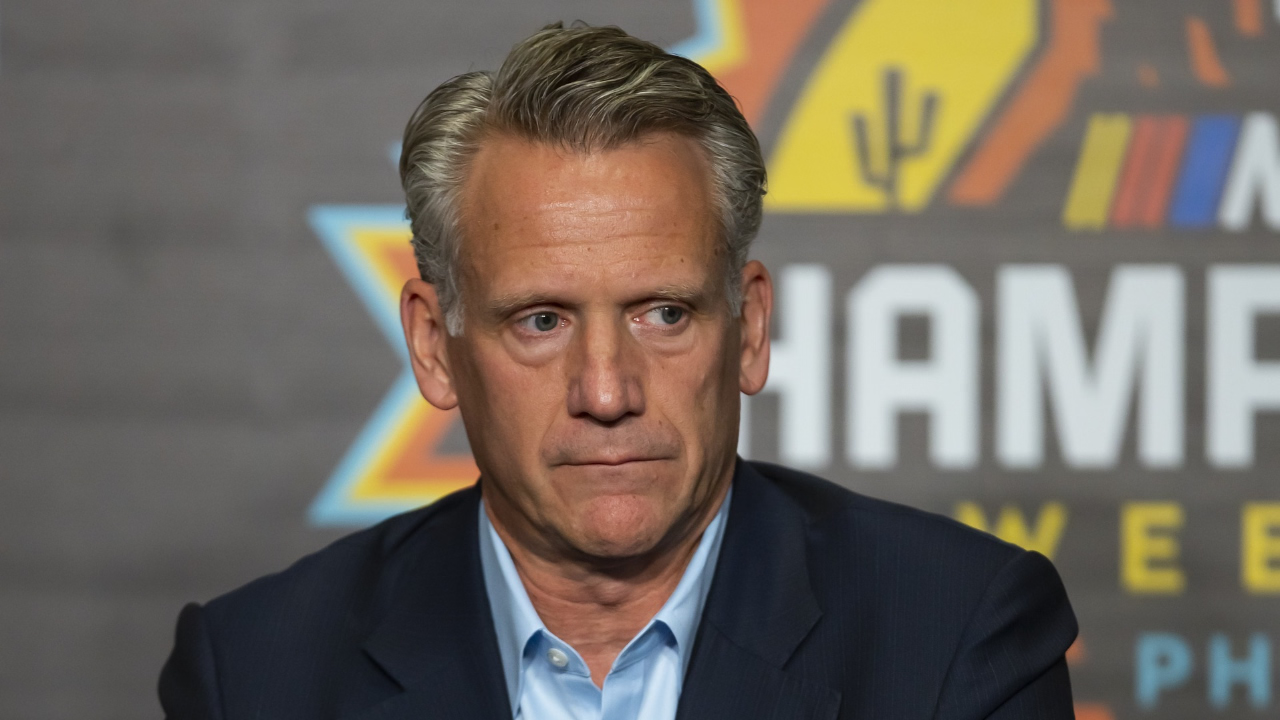
One particularly shocking text from Phelps labeled Childress a “bloody stupid redneck who made his fortune because of NASCAR.” This statement alone has caused a stir on social media, with many questioning the professionalism and judgment of the organization’s leadership, especially considering the long history of collaboration between NASCAR and its veteran teams.
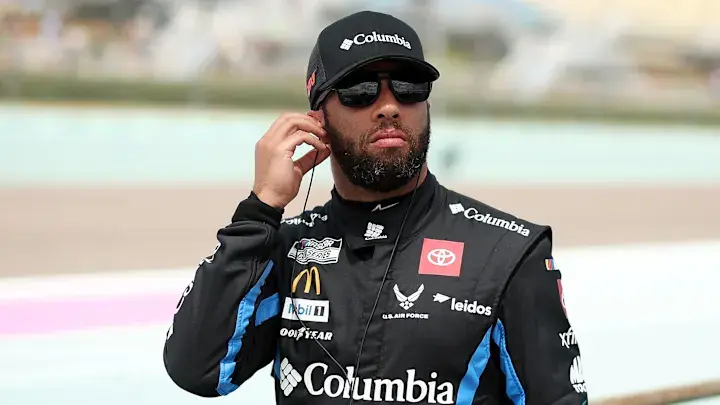
Phelps continued in private texts to describe Childress as an “idiot” and “a troublesome dinosaur — a total clown.” The messages paint a picture of personal animosity that some insiders say could never have been imagined outside of the closed doors of executive offices.
Fans are left wondering what motivated such scathing remarks.
Richard Childress responded swiftly once the leaks became public. In a concise and powerful statement composed of fourteen words, Childress made it clear he would not remain silent while falsehoods threatened his reputation.
His words quickly circulated online, gaining traction not only within the racing community but across mainstream media outlets worldwide.
The fourteen-word response read: “I won’t stay silent while lies destroy everything we built for decades.” These words resonated with supporters and critics alike, demonstrating Childress’s determination to defend both his legacy and the integrity of his racing team, RCR, which has a storied history in NASCAR competition.
Social media erupted as fans debated the implications of the leaked messages. Many expressed outrage at the unprofessional language used by Phelps, while others focused on Childress’s measured but firm response. Discussions about the governance and ethics of NASCAR have now become central to the conversation surrounding the sport.
Analysts point out that such internal conflicts, when made public, can have long-lasting consequences. The reputation of NASCAR, built over decades, is now under scrutiny. Sponsors, drivers, and team owners are reportedly concerned about how these revelations could impact future partnerships and contractual relationships within the industry.
The leaked texts also shed light on the intense pressures and politics inherent in professional racing. Executives must balance commercial interests with competitive fairness, but personal animosity, as evidenced in these messages, complicates decision-making processes and may affect race outcomes or organizational policies in subtle but significant ways.
Childress’s supporters argue that the fourteen-word response demonstrates the importance of standing up to internal corruption and bias. They highlight that his measured approach contrasts sharply with the inflammatory language of Phelps, portraying Childress as a figure of resilience and professionalism even in the face of personal attacks.
Meanwhile, NASCAR has issued a brief statement claiming the organization is reviewing the situation. The statement avoided addressing the specific language used in the texts, instead focusing on general commitments to fairness, transparency, and integrity. Many observers criticized the response as insufficient given the severity of the revelations.
The situation has reignited discussions about leadership accountability within major sports organizations. Fans and commentators are questioning how much personal sentiment influences decision-making at the highest levels, particularly when the decisions have far-reaching effects on teams, drivers, and the overall competitive landscape.
Some insiders suggest that these tensions are not new, but rather a symptom of long-standing disputes between NASCAR leadership and veteran team owners. Childress has a decades-long history in the sport, and his team’s success has sometimes put him at odds with the organization’s strategic or financial goals.
Legal experts note that the leaked texts could have implications beyond public relations. They may serve as evidence in potential lawsuits, especially if Childress or other parties decide to pursue claims of defamation, discrimination, or unfair treatment. The industry is watching closely for any legal developments.
Fans continue to express strong opinions online, often taking sides in the debate. Childress’s supporters admire his willingness to confront powerful executives, while critics argue that public leaks and personal attacks are detrimental to the image of NASCAR. The conversation has divided the community, creating new rivalries off the track.
The story has attracted attention beyond racing enthusiasts, with mainstream media covering the fallout extensively. News outlets are exploring themes of corporate governance, accountability, and transparency, using the NASCAR controversy as a case study in how private communications can dramatically impact public perception.
Meanwhile, drivers associated with RCR have remained mostly silent, choosing to focus on upcoming races. Observers speculate that their silence is strategic, aimed at avoiding further escalation, while still signaling solidarity with their team and respect for Childress’s leadership during this turbulent period.
Industry analysts warn that if tensions are not addressed promptly, NASCAR could face longer-term reputational damage. Sponsors may reconsider commitments, and fans could lose confidence in the integrity of race outcomes, particularly if internal disputes are perceived to influence decisions in a biased or unfair manner.
The incident also raises broader questions about workplace culture within major sports organizations. How personal relationships, favoritism, and communication styles affect operations is now under scrutiny, and the NASCAR case may become a reference point in discussions about leadership ethics across professional sports.
As the controversy continues to unfold, the global racing community remains captivated. Each new report, leak, or public statement adds layers to the story, keeping fans, analysts, and executives engaged. The coming weeks are expected to reveal whether NASCAR can restore confidence and manage the fallout effectively.
Ultimately, the leaked messages and Childress’s response illustrate the high stakes involved in professional racing. Reputation, legacy, and organizational credibility are all on the line. How NASCAR navigates this crisis may set a precedent for transparency, accountability, and leadership in sports for years to come.