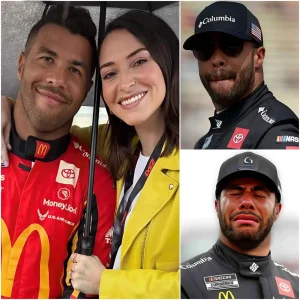
Kyle Larson’s decision to sue NASCAR and Bubba Wallace has ignited one of the most explosive controversies in racing history. Larson claims Wallace repeatedly defamed him, alleging that his recent victory was illegitimate.
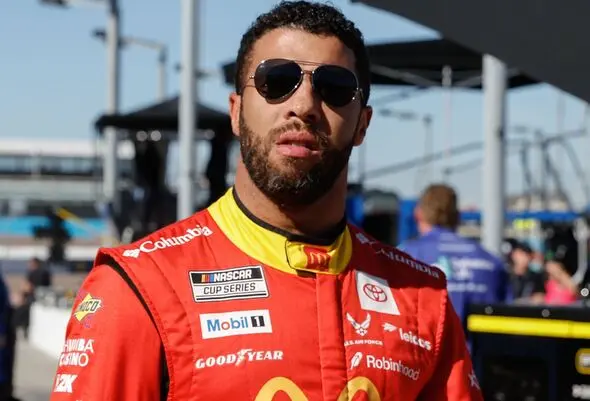
The lawsuit portrays Larson as a man fighting not only for personal honor but for the integrity of the sport itself.
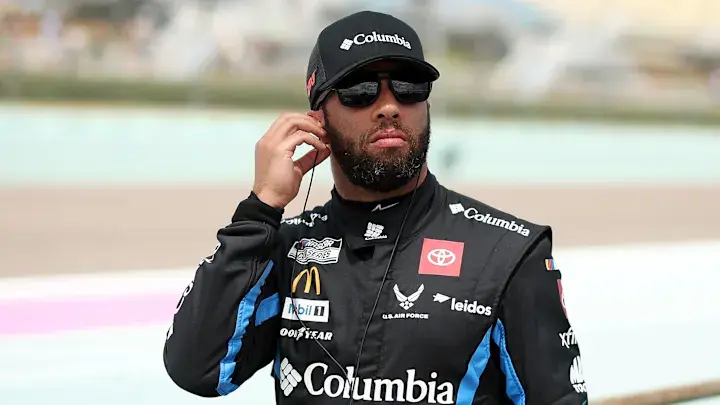
Fans and commentators are polarized, with some rallying behind Larson, arguing that defamation cannot be tolerated in professional racing. Others accuse him of overreacting, suggesting that legal battles could fracture the tight-knit NASCAR community. The case has become a test of where personal reputation ends and public opinion begins.
Wallace’s alleged accusations targeted Larson’s racing methods, suggesting that his wins were orchestrated or manipulated. Such claims, if left unchallenged, could damage a driver’s career permanently. Larson’s legal action emphasizes the high stakes involved in motorsport, where reputation is almost as valuable as skill on the track.
The timing of the lawsuit has only intensified tension, arriving just as the season heats up. NASCAR faces the impossible challenge of addressing the claims while maintaining credibility. Critics argue the sport’s leadership should act decisively, but any move risks alienating one side or another.
Social media has exploded with reactions, fans picking sides in an online war. Supporters of Larson condemn Wallace’s behavior as reckless and damaging. Meanwhile, Wallace’s defenders insist that he is simply speaking truth to power, highlighting issues within NASCAR’s competitive and social dynamics.
Legal experts note that defamation cases in sports are notoriously difficult to prove. Larson’s team must demonstrate not only false statements but also malicious intent. Even with solid evidence, the case could drag on for months or years, keeping NASCAR embroiled in controversy far beyond the racetrack.
The financial implications are staggering. Larson could seek substantial damages, and NASCAR itself risks reputational harm. Sponsors, always wary of public perception, might reconsider partnerships, creating a ripple effect that could reshape team budgets and athlete endorsements across the sport.
Larson’s warning to NASCAR, that he might step away if the organization fails to act, adds pressure. Losing a top driver would be a blow not just to fans but to the competitive balance of the series. NASCAR must weigh legal, ethical, and commercial consequences all at once.
Some commentators see the lawsuit as a symptom of a larger problem within NASCAR culture. They argue that personal rivalries and public feuds have grown increasingly toxic, with social media amplifying minor disputes into headline-grabbing scandals. Larson versus Wallace may be the most visible example yet.
The media frenzy surrounding the lawsuit also complicates the matter. Every comment, tweet, and post is dissected, often out of context, escalating tensions further. NASCAR’s leadership is caught in a spotlight they cannot escape, forced to respond while remaining impartial.
Insiders suggest that Larson’s legal team meticulously documented Wallace’s statements over time, building a case that portrays repeated defamation rather than a single incident. If successful, this strategy could redefine how NASCAR handles public disputes among drivers in the future.
Wallace has not publicly commented in detail on the lawsuit, leading to speculation and rumors. Silence can be interpreted in many ways: as confidence, as guilt, or as a strategic maneuver. Fans and analysts are left guessing, fueling an already tense environment.
The lawsuit also raises questions about fairness in the sport. If Larson’s claims are valid, then NASCAR may face scrutiny over how it protects its drivers’ reputations. Conversely, if Wallace’s statements hold merit, NASCAR could be accused of silencing criticism, creating a lose-lose scenario.
Pundits argue that this conflict may have lasting effects on driver relationships. Trust between competitors is vital, and public accusations can irreparably damage camaraderie in the locker room. NASCAR teams may find themselves mediating conflicts off the track more frequently to prevent similar disputes.
The court of public opinion is relentless. Social media polls, fan forums, and online videos have made every statement a potential headline. In this environment, Larson’s lawsuit is not just a legal issue—it’s a battle for narrative control, determining how history remembers the events.
Some fans speculate that the controversy might influence race results indirectly. Drivers distracted by off-track drama could underperform, affecting championship standings. Sponsors may pressure teams to manage driver behavior carefully, intertwining legal drama with competitive outcomes.
The lawsuit also highlights the tension between freedom of speech and accountability in professional sports. Drivers are public figures with platforms, but public commentary carries consequences. Larson’s case could set a precedent, redefining acceptable discourse among athletes within NASCAR and possibly other sports.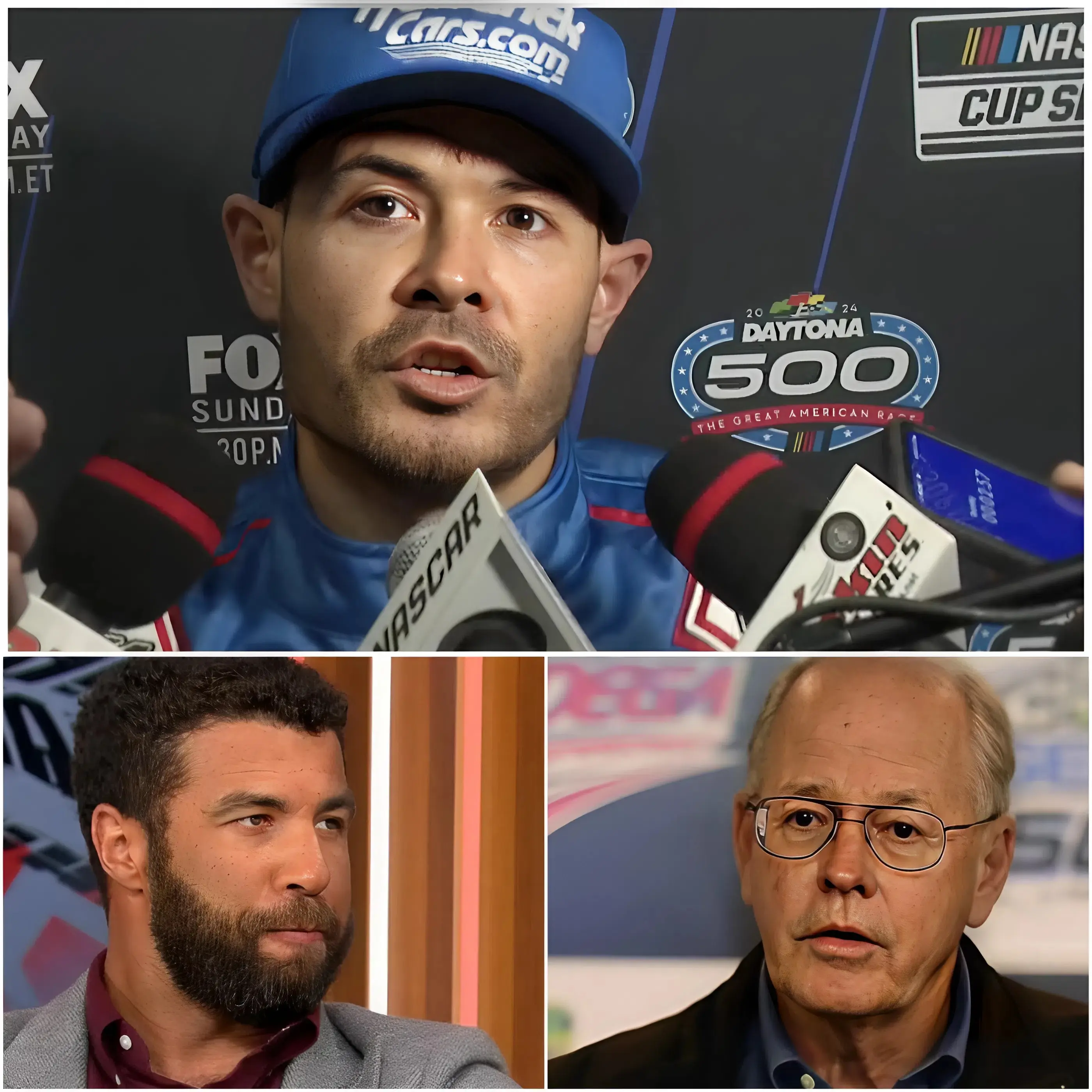
Analysts note that NASCAR’s reputation is also on trial. How the organization handles internal disputes can affect its image for decades. Mishandling the situation could portray NASCAR as weak or indifferent, alienating fans who expect leadership to enforce fairness and integrity.
Legal observers suggest that even a settlement could be explosive. A quiet resolution might prevent court exposure but leave lingering resentment. Any public apology or compensation could be interpreted as an admission of wrongdoing, creating further backlash among competing fan bases.
Larson’s approach is assertive, demanding immediate action. This bold stance has garnered admiration and criticism alike. Some praise his unwillingness to tolerate defamation, while others see it as aggressive and polarizing, risking unnecessary escalation in a sport built on competition, not courtroom battles.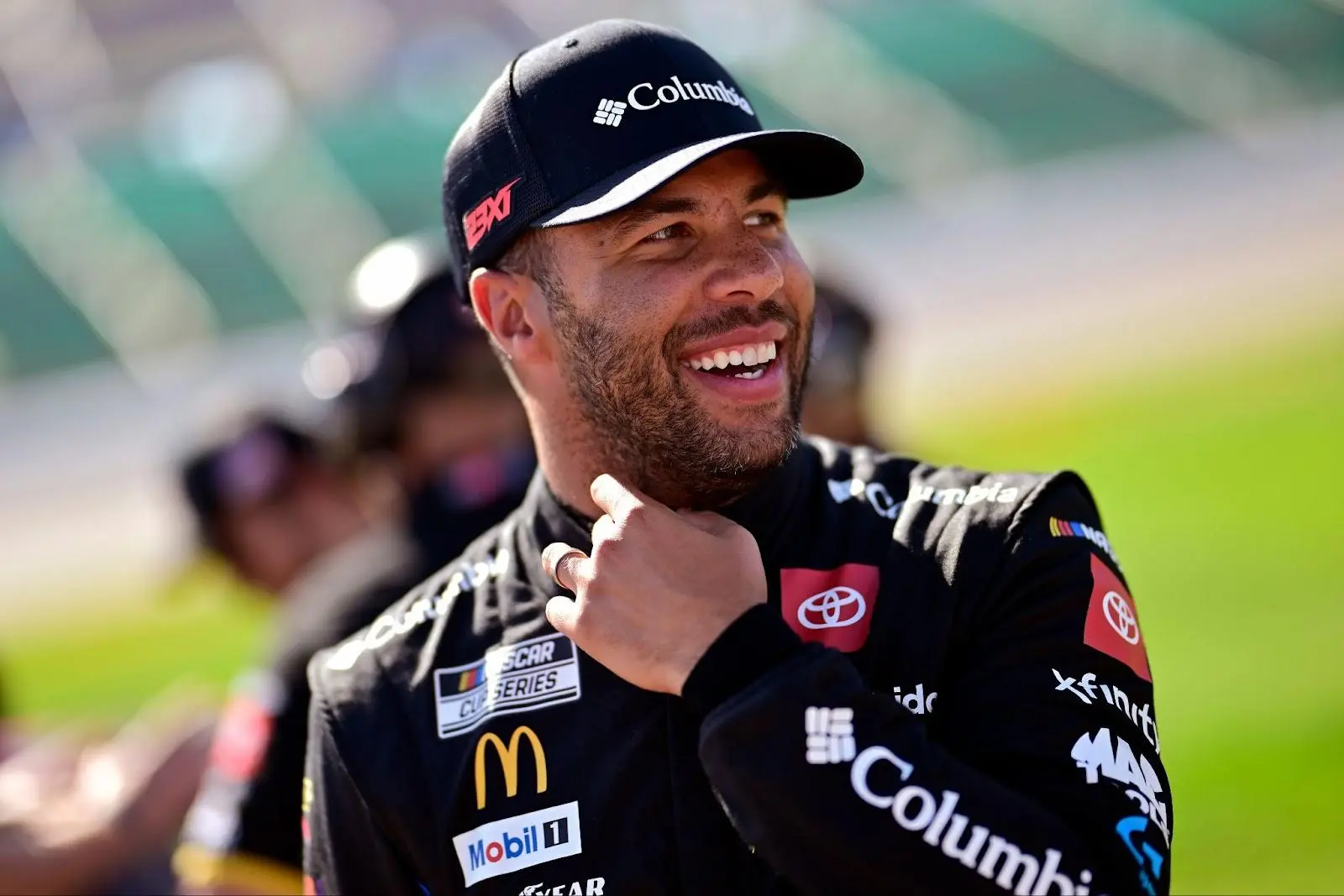
Social media campaigns have already formed around hashtags supporting Larson or Wallace. Online communities dissect every interview clip and statement for signs of truth or deception. This digital dimension transforms a personal grievance into a public spectacle, influencing perceptions before any legal verdict is reached.
The conflict also draws attention to the human element behind professional racing. Drivers are not just athletes but public personalities with reputations, careers, and legacies on the line. The emotional toll of accusations and litigation adds a layer of drama that fans rarely witness directly.
In conclusion, Larson’s lawsuit against Wallace and NASCAR has become a multi-faceted crisis affecting legal, competitive, financial, and social aspects of the sport. The outcome is uncertain, and every decision from now on carries weight. One thing is clear: the racing world will never look the same again.