In a dramatic escalation of federal immigration enforcement, a recent operation in Charlotte, North Carolina, has resulted in over 130 arrests, shining a spotlight on local businesses accused of shielding undocumented immigrants from federal authorities.
The operation, named “Operation Charlotte’s Web,” is a part of a broader initiative by the Department of Homeland Security (DHS) aimed at increasing interior immigration enforcement and addressing public safety risks linked to individuals living in the U.S. unlawfully.

According to federal authorities, agents targeted businesses such as laundromats, grocery stores, and other locations where undocumented immigrants were allegedly evading the reach of federal immigration enforcement. This operation reflects a concerted push to ensure stricter compliance with U.S. immigration laws and reinforce the country’s immigration priorities.
The operation began with swift actions, as Border Patrol Commander Gregory Bovino reported that 81 arrests were made within just five hours of the operation’s commencement. The sweep continued, focusing primarily on individuals with criminal histories.
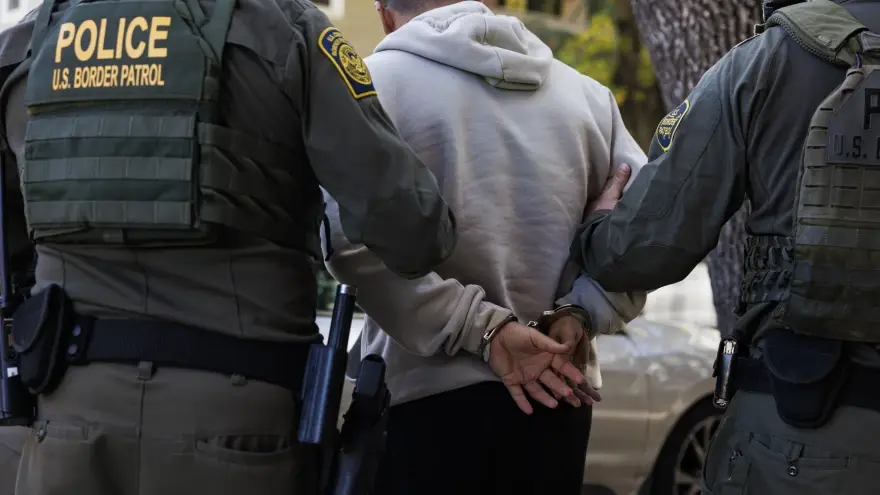
Among those arrested were individuals with prior convictions for serious crimes such as gang affiliation, aggravated assault, DUI, felony larceny, and illegal re-entry into the country.
A spokesperson for the Department of Homeland Security emphasized that the federal government’s commitment to enforcing immigration laws would not waver, with a particular focus on removing individuals who pose a threat to public safety.
The spokesperson declared, “We will not stop enforcing the laws of our nation until every criminal illegal alien is arrested and removed from our country.”
The operation also aims to address what DHS describes as a rising public-safety concern regarding the presence of undocumented individuals with criminal records in local communities.
As part of this intensified immigration enforcement initiative, federal agents have targeted locations where local law enforcement agencies have not fully cooperated with federal immigration authorities, citing numerous instances of non-compliance.
The operation also reflects a shift towards expedited immigration enforcement in areas where local policies have limited collaboration with federal immigration efforts.
However, the operation has not been without controversy. Local businesses, such as laundromats and grocery stores, have become central to the debate over immigration enforcement. One laundromat owner reported that customers fled and abandoned their laundry when agents arrived to carry out the enforcement actions.
According to this owner, employees and customers alike were caught off guard by the federal agents’ arrival. Similarly, Super G Mart, a grocery store in the region, reported that staff members chose to stay home or hide out of fear of being caught up in the operation.
Peter Han, the manager of Super G Mart, described the situation as unsettling, with employees feeling “shaken” after the encounter.
For many in the immigrant community, the operation has sparked fear and anxiety. In the wake of the arrests, some community organizations and religious institutions reported a significant drop in attendance.
Churches and schools noticed lower participation in their services and events as families grew concerned about potential immigration enforcement actions.
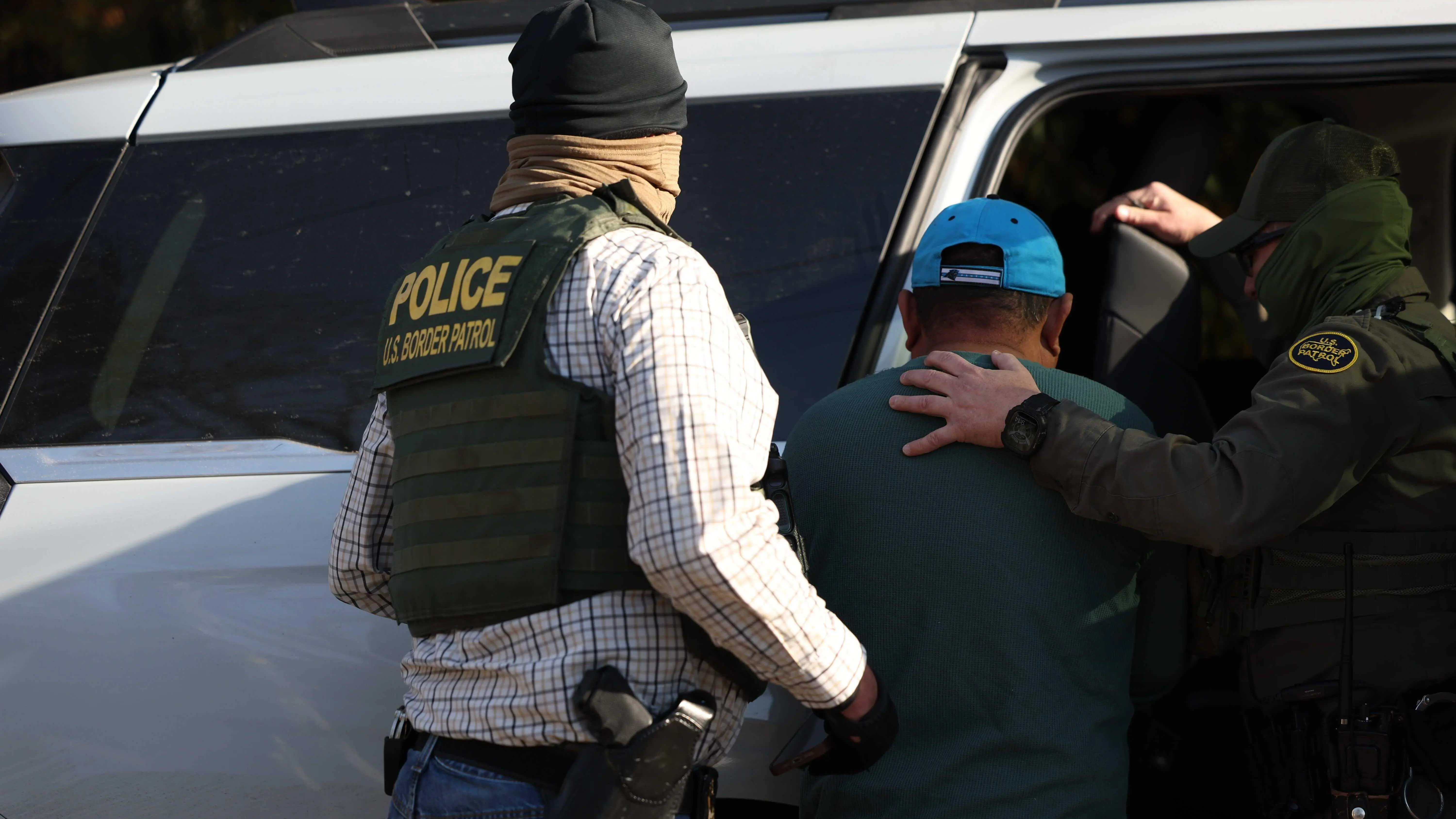
Critics of the operation argue that these enforcement tactics violate civil liberties and disproportionately target immigrant communities, many of whom fear that their daily lives will be disrupted by such actions.
These critics express concern that such measures could lead to racial profiling and the unjust targeting of individuals based solely on their immigration status, leading to a heightened sense of insecurity among immigrants.
Some community leaders have warned that the operation might strain relations between local immigrant communities and law enforcement, potentially undermining trust and cooperation.
In contrast, supporters of the operation argue that it is necessary to restore credibility to immigration enforcement and protect communities from individuals who may have committed serious crimes while residing in the country illegally.
They contend that the federal government’s actions are justified given the ongoing issues with local authorities not honoring immigration detainers.
Federal officials have cited the more than 1,400 immigration detainers in North Carolina that were reportedly ignored by local jails, underscoring the importance of federal action to address these gaps in compliance.
The federal government has also emphasized that businesses knowingly harboring undocumented immigrants could face further scrutiny and potential penalties. This could potentially lead to investigations into the practices of local businesses that may have facilitated the sheltering of individuals with no legal right to be in the country.
While this remains a contentious issue, federal officials have made it clear that they will continue to pursue such investigations to ensure that businesses uphold immigration laws.
This operation is just one of many similar actions that may take place in the future, especially in cities and regions where there are concerns about local policies not fully cooperating with federal immigration authorities.
DHS has signaled that more operations are likely to take place in other areas, particularly where non-cooperation with immigration detainers is widespread.
As part of a broader strategy, these operations reflect the administration’s push to take a harder stance on immigration enforcement and ensure that individuals who pose a threat to public safety are removed from the country.
As the operation continues, federal officials have stressed that it is essential to uphold the rule of law and ensure that local and federal authorities work together to address immigration challenges.
While the operation has generated mixed reactions, it is clear that the administration is determined to press forward with its efforts to enforce immigration laws and address issues related to undocumented immigration.
In conclusion, Operation Charlotte’s Web has raised significant concerns about the balance between immigration enforcement and civil liberties. The operation, which led to over 130 arrests, has ignited a debate about the role of local businesses, law enforcement, and federal agencies in addressing immigration issues.
While some view it as a necessary step to ensure public safety, others argue that it may lead to the unjust targeting of immigrant communities.
As the operation progresses, more developments are expected, and it remains to be seen how these actions will impact the larger debate over immigration reform in the U.S.