⛳🗝️ A golf moment that changed everything began not on the fairway, but in the heart of Tommy Fleetwood. After years of mastering his swing and earning accolades worldwide, he realized that his true legacy might lie off the course, in acts of compassion rather than trophies.
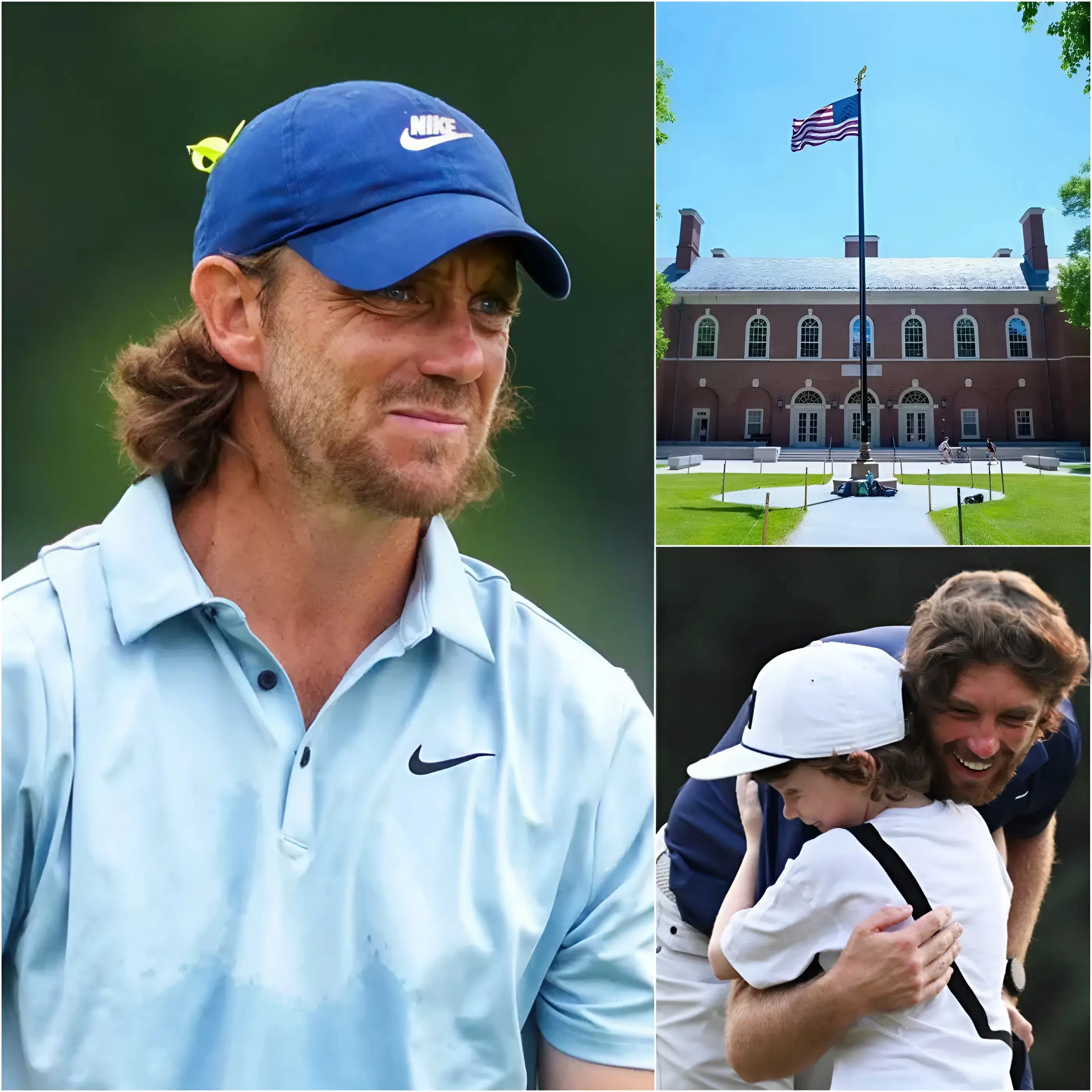
Fleetwood, known for his calm demeanor and precision in golf, quietly invested $175 million to build a residential school in St Davids. The institution is designed specifically for orphans and homeless children, giving them shelter, education, and the kind of stability many of them had never known.
When asked why he undertook such a massive project, Fleetwood didn’t speak of accolades or recognition. He said simply, “This isn’t charity. It’s hope.” His words encapsulated the quiet determination and vision that had guided him in golf and now extended into philanthropy.
The school itself is a state-of-the-art facility, with classrooms, dormitories, sports fields, and therapy spaces. Every detail was carefully planned to ensure the children have a nurturing environment that fosters growth, learning, and self-confidence, far beyond the typical expectations of a boarding school.
Locals in St Davids have already seen the positive impact. Children who arrived with little more than the clothes on their backs are now learning to read, write, and dream about futures they never imagined possible. Teachers and staff describe the atmosphere as “transformative” and “inspiring.”
Fleetwood’s involvement goes beyond financial support. He frequently visits the school, offering guidance, encouragement, and even participating in lessons or sports activities. Children report feeling motivated simply by seeing someone who has achieved greatness invest time in their lives.
The timing of this project is significant. After years of professional competition, Fleetwood wanted to channel his energy into something lasting. While trophies can fade in memory, the lives of children shaped by education and care endure for decades, leaving a legacy that transcends personal glory.
Parents, guardians, and foster care systems have expressed profound gratitude. Many children who previously struggled to find a sense of belonging now have a home where they are valued, supported, and given opportunities that previously seemed unreachable.
Fleetwood’s initiative also emphasizes holistic growth. The school incorporates music, art, and mental health support, understanding that academic learning alone cannot compensate for trauma or instability. Every child is treated as an individual with unique needs, hopes, and potential.
Media outlets worldwide have highlighted the story, though Fleetwood remains intentionally private about his involvement. His goal was never publicity; he sought to create meaningful change quietly, proving that impactful leadership often goes unnoticed by the broader public.
Fans of Fleetwood on social media have praised him not only as an athlete but as a role model. Many comment that his actions demonstrate how success can be leveraged to lift others, showing that true influence is measured by generosity and humanity rather than titles or fame.
The children at the school often describe Fleetwood as “kind and encouraging,” noting that he listens patiently, shares stories from his own life, and inspires them to believe in their capabilities. Teachers note that his presence motivates students to work harder and dream bigger.
Philanthropy experts have studied the initiative as a model of sustainable giving. Unlike one-off donations, Fleetwood’s school is a permanent institution with systems in place for long-term support, ensuring that children receive consistent care, education, and guidance over the years.
Local government officials have also expressed support. They describe the school as a transformative force for the community, elevating the standard of education and social support while fostering hope in a population that has historically faced challenges such as poverty and homelessness.
Fleetwood has been intentionally selective in his approach. The school is designed for children who have experienced the greatest challenges, ensuring that the resources are focused where they are most needed. This targeted strategy maximizes impact and ensures the program can sustainably grow.
The architectural design reflects Fleetwood’s attention to detail. Open spaces, natural lighting, and areas for reflection and play were prioritized to create a sense of safety and inspiration, counteracting the instability many children had faced before arriving at the school.
Teachers have implemented programs focused on resilience, confidence, and leadership. The philosophy is simple: equip children with the tools to overcome obstacles, believe in themselves, and ultimately create a future where they can thrive, regardless of their past circumstances.

Fleetwood has personally overseen mentorship programs connecting students with professionals in sports, arts, and sciences. By exposing children to diverse career paths and role models, he ensures they understand the breadth of opportunities available to them.
Psychologists involved with the school emphasize that consistent support and attention are critical for children who have experienced trauma. Fleetwood’s presence and investment in these programs signal to the students that they are seen, valued, and capable of achieving great things.
While Fleetwood’s achievements on the golf course are extraordinary, many observers now argue that his work in St Davids may become his most enduring legacy. The school is already shaping lives, planting seeds of ambition and hope that may bear fruit for decades.
Parents and teachers often describe the transformation in children as astonishing. Previously withdrawn students now speak confidently, participate actively in class, and form friendships in ways that suggest long-term emotional and social recovery is underway.
The story has inspired other athletes and public figures to consider how they can leverage their success for social good. Fleetwood’s actions demonstrate that leadership extends beyond personal accomplishments, showing that compassion can create tangible, lasting impact.
Fleetwood has been careful to maintain a balance between privacy and engagement. He avoids public fanfare, focusing instead on tangible outcomes. The children, the teachers, and the community are his priority, and every decision is made with their best interests in mind.
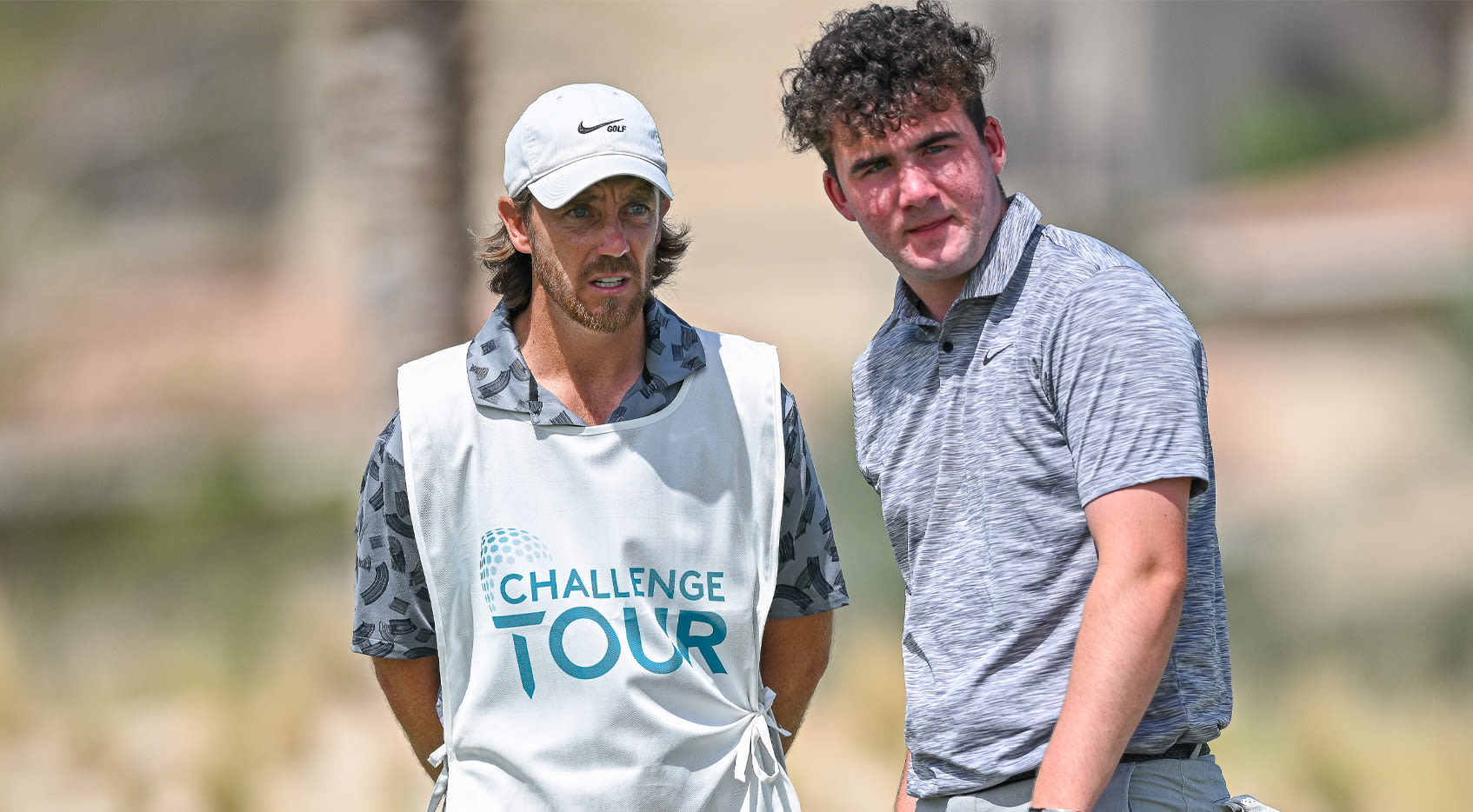
Supporters and observers have noted that the school’s impact will extend beyond the immediate generation. Students who benefit today may become mentors, teachers, or leaders themselves, perpetuating a cycle of hope and opportunity that can last for decades.
The project is seen as a model for how wealth and influence can be used responsibly. By focusing on children who are most in need, Fleetwood has created a blueprint for meaningful, lasting philanthropy that prioritizes human development over publicity.
Even outside the school, Fleetwood’s initiative has generated discussions in educational and philanthropic circles. Experts praise the foresight and dedication required to fund a program that integrates education, emotional support, and long-term mentorship.
Fleetwood’s quiet humility contrasts with the scale of his contribution. Few celebrities of his stature take such direct, personal involvement in initiatives of this nature, choosing instead to support from a distance or through publicity campaigns.
Ultimately, the story of Tommy Fleetwood and his St Davids school is a testament to the power of empathy and action.
It reminds us that true greatness is not measured by accolades or records, but by the lives we touch, the hope we inspire, and the difference we make in the world around us.